Wildlife & fieldcraft
Wildlife photography, with room to be wild
Make thoughtful wildlife photographs through patient observation, careful framing, and respect for an animal’s space.
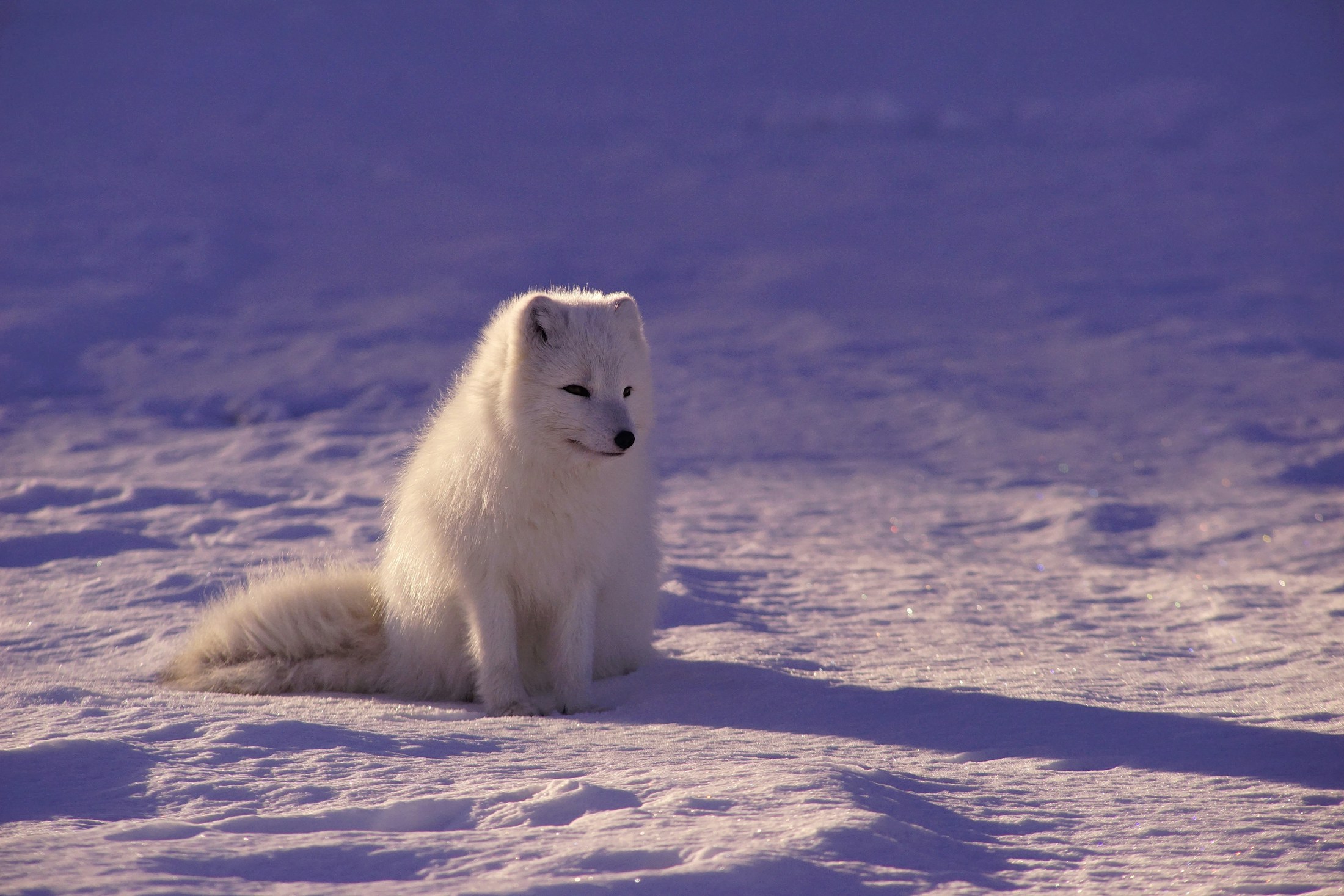
The most memorable wildlife photographs often contain an ordinary moment: an animal resting, listening, or moving through its surroundings. The photograph becomes stronger when that moment can happen without the photographer directing it.
Begin with observation
Put the camera down for a moment and watch. Where is the animal going? Is it feeding, resting, or alert to something outside your frame? Watching first helps you recognise a worthwhile moment instead of reacting to every movement with the shutter.
Notice the surroundings too. A strip of snow, a reed bed, or the edge of a forest can explain more about an animal’s world than a tightly cropped portrait. Think of the photograph as a relationship between a subject and a place. You may find a more interesting composition without needing the animal to fill the frame.
Give wildlife space
Check the viewing guidance for the place you are visiting before you go. Minimum distances vary by park and species, so a number from one destination should not be treated as a universal rule. The National Park Service’s wildlife-watching guidance recommends checking local requirements and using binoculars or a zoom lens to observe from a distance.
A stated minimum is not an invitation to move as close as possible. If your presence changes an animal’s behaviour, give it more room. Do not follow an animal that moves away, or block the route it is trying to take. If it approaches, make space rather than treating the encounter as a chance for a closer frame.
Let behaviour happen without prompting. Feeding, calling, or otherwise drawing an animal toward the camera can turn an observation into an intervention. The photograph is a record of a living subject, and leaving it undisturbed matters more than returning with a particular composition.
Prepare for the moment
Choose a framing that works from the distance available to you. A longer lens can bring a subject into the frame, but a smaller subject can also be effective. Leave some space in the direction the animal is looking or travelling, then compare that with a more centred composition. Neither is automatically correct; the surrounding shapes and the mood of the image should guide the decision.
For movement, pay attention to shutter speed and review a magnified photograph to see whether your subject is sharp. A higher ISO may be a worthwhile trade for a faster exposure. For a still animal, take time to check the background and place focus carefully. There is no single setting that suits a resting fox, a flying bird, and an animal moving through deep shade.
Short bursts can help you catch a changing expression or position, but leave pauses to observe what is happening beyond the viewfinder. A camera makes it easy to become absorbed in a tiny rectangle. Looking up keeps the animal’s movement and the wider situation in view.
Tell an honest story
When selecting your photographs, look beyond the closest portrait. A small animal in a large landscape can communicate quiet, scale, or the character of a habitat. A frame in which nothing dramatic happens may be the one that feels most truthful.
Keep captions as careful as your approach in the field. Describe what the photograph shows without inventing behaviour, emotion, or a dramatic backstory. If an image was made in captivity or through a managed encounter, say so when that context matters. The trust between a photograph and its viewer is worth preserving.
Some outings end without a photograph. That does not make the time wasted. Watching an animal continue its day, without asking anything of it, is a worthwhile result in its own right.